إن تركيب شاحن السيارات الكهربائية بشكل صحيح يتجاوز مجرد تركيب المعدات، إذ يجب أن يتبع إجراءات صارمة. معايير السلامة لتركيب شواحن السيارات الكهربائية 2026 لتجنب الصدمات الكهربائية ومخاطر الحريق ومخالفات القوانين. يغطي هذا الدليل أحدث قوانين الكهرباء والحريق لتركيب شواحن السيارات الكهربائية المنزلية والتجارية لضمان امتثالكم الكامل لها.
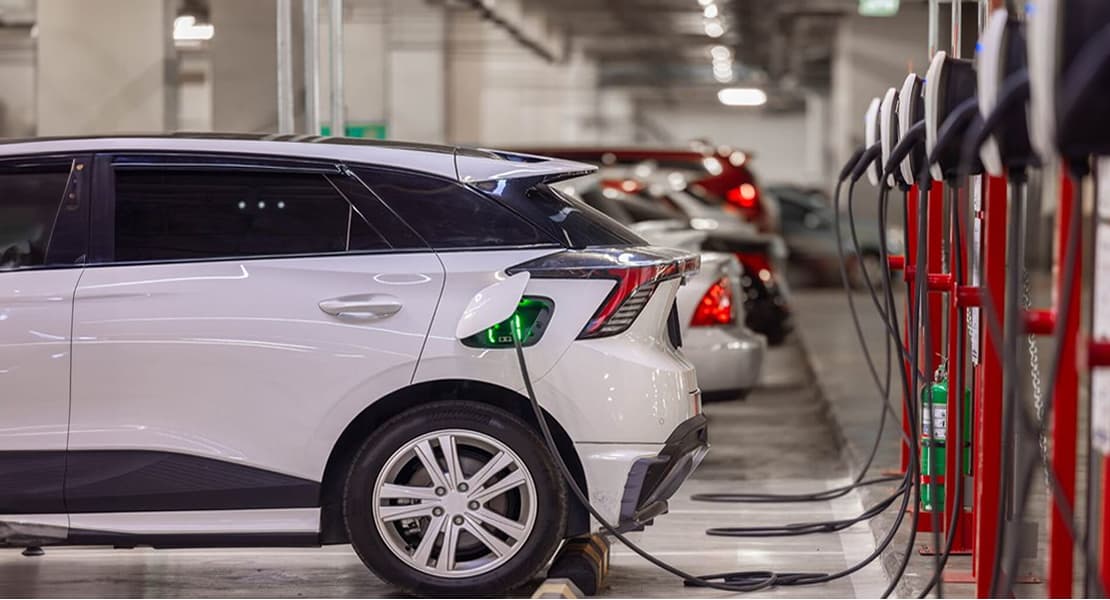
ما هي قوانين السلامة الكهربائية التي يجب اتباعها عند تركيب شواحن السيارات الكهربائية في عام 2026؟ ⚡
يجب أن تلتزم جميع تركيبات شحن المركبات الكهربائية بالمعايير NEC 625 و IEC 61851 واللوائح الكهربائية الإقليمية.
⚡ تصميم الدائرة المخصص يمنع ارتفاع درجة الحرارة وتعطل النظام
⚡ تحتاج الشواحن عالية الطاقة إلى اختبار تحميل احترافي لتجنب التحميل الزائد على الشبكة
⚡ يُعدّ استخدام حماية من تسرب التيار المستمر من النوع A بقوة 30 مللي أمبير + 6 مللي أمبير إلزاميًا لمنع مخاطر الصدمة الكهربائية والحريق.
⚡ تضمن الأسلاك الموحدة والتأريض الموثوق ومراقبة العزل في الوقت الفعلي السلامة على المدى الطويل
⚡ يلزم وجود أجهزة إيقاف طوارئ مرئية وأجهزة فصل سريع لفصل التيار الكهربائي فورًا
ملكنا شاحن حائط EC01 بقدرة 7-22 كيلوواط يتوافق هذا المنتج تماماً مع هذه المعايير، حيث يتميز بحماية مدمجة ضد التسرب، ومقاومة للماء بمعيار IP65، وشهادات سلامة كاملة. شاحن تيار مستمر D100 بقدرة 80-160 كيلوواط يضيف تخطيطًا احترافيًا للأسلاك ومراقبة العزل في الوقت الفعلي للاستخدام التجاري عالي الطاقة.
ما هي قواعد قانون الحريق التي تنطبق على تركيب شواحن السيارات الكهربائية في عام 2026؟ 🔥
تعتبر السلامة من الحرائق أمراً بالغ الأهمية لمحطات الشحن السكنية والتجارية وفقاً لمعايير عام 2026.
🔥 أبقِ أجهزة الشحن بعيدة عن المواد القابلة للاشتعال وتأكد من وجود مسافة آمنة للتركيب
🔥 يلزم توفير تهوية كافية للجراجات والأقبية ومواقف السيارات المغلقة
🔥 يجب أن تستخدم أغلفة الشواحن مواد مقاومة للهب لمنع انتشار الحريق
🔥 ينبغي أن تدعم المحطات التجارية تكامل أنظمة إنذار الحريق ومراقبة ارتفاع درجة الحرارة
ملكنا كانون 300 و المحطة ج 960 تستخدم حلول الشحن عالية الطاقة مواد مقاومة للحريق، وحماية IP54، وتحكم حراري ذكي لتلبية متطلبات السلامة من الحرائق لعام 2026 بشكل كامل.
لماذا تُعدّ تصنيفات IP و IK ضرورية لتركيب شواحن السيارات الكهربائية بأمان؟ 🌧️
تحدد تصنيفات الحماية بشكل مباشر سلامة التركيب وعمر الخدمة.
🌧️ يضمن تصنيف IP مقاومة الغبار والماء؛ تحتاج الوحدات الخارجية إلى تصنيف IP54 على الأقل
🌧️ يُنصح بشدة باستخدام تصنيف IP65 لصناديق الحائط المنزلية لمقاومة المطر والغبار والتآكل
🌧️ يوفر تصنيف IK الحماية من التخريب والصدمات؛ تحتاج المناطق العامة إلى تصنيف IK08–IK10
تستخدم جميع شواحن FES Power تصنيفات IP و IK عالية لدعم التركيب الآمن في الأماكن المغلقة والمفتوحة.
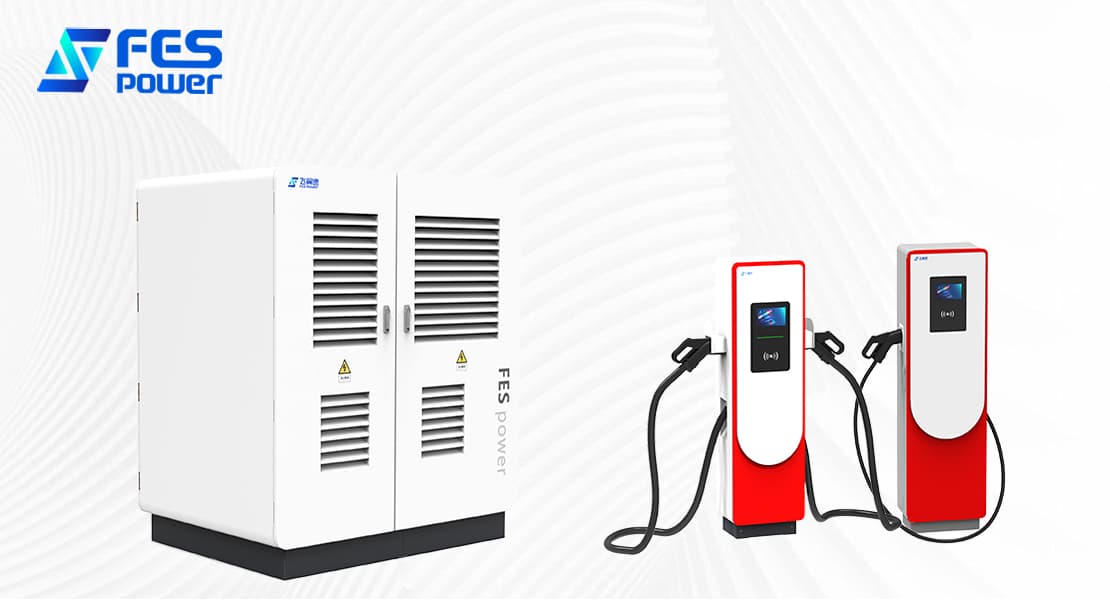
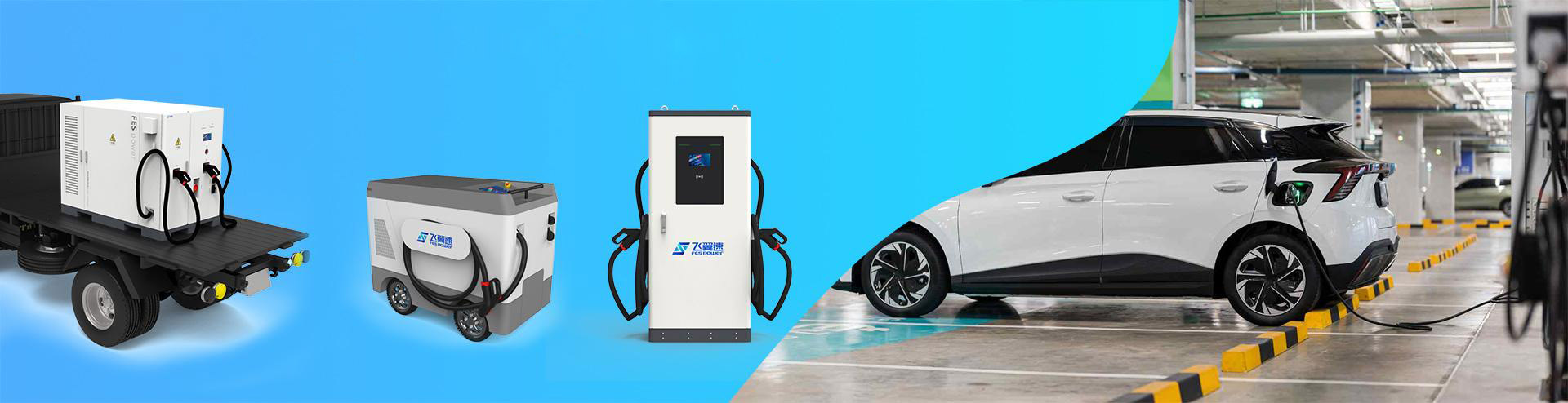
كيف تنطبق معايير السلامة لعام 2026 على شواحن الهواتف المحمولة والشواحن المزودة ببطاريات احتياطية؟ 🚚
ستخضع شواحن السيارات الكهربائية المتنقلة وشواحن تخزين الطاقة لقواعد سلامة إضافية في عام 2026.
🚚 هيكل ثابت وبنية مضادة للانقلاب تمنع الحوادث أثناء الحركة
🚚 حماية البطارية بمعيار IP67 وأنظمة التبريد السائل تمنع الهروب الحراري
🚚 حماية كاملة ضد الشحن الزائد، وارتفاع درجة الحرارة، والماس الكهربائي، وارتفاع التيار المفاجئ
🚚 الامتثال لشهادات GB/T 18487.1 و IEC 61851-1 و IEC 62619
كيف تضمن أن يكون تركيب شاحن سيارتك الكهربائية آمنًا بنسبة 100% ومتوافقًا مع المعايير؟ ✅
✅ استعن بفنيي كهرباء معتمدين يتمتعون بمعرفة مهنية بمعايير السلامة الخاصة بتركيب شواحن السيارات الكهربائية لعام 2026
✅ استخدم شواحن معتمدة من CE وGB وIEC لتجنب مخاطر المعدات غير المؤهلة
✅ إجراء اختبار كامل للحمل الكهربائي وفحص الدائرة الكهربائية قبل التركيب
✅ حافظ على المسافات المطلوبة للتهوية والسلامة من الحرائق
✅ اختبر جميع وظائف السلامة قبل الاستخدام الرسمي
في طاقة FESتم تصميم كل منتج وفقًا لمعايير السلامة العالمية لعام 2026 لجعل تركيب شواحن السيارات الكهربائية أبسط وأكثر أمانًا ومتوافقًا تمامًا مع المعايير.






 شبكة IPv6 مدعومة