
- اتصل بنا : +86-15060765919
- راسلنا : bella@fespower.cn
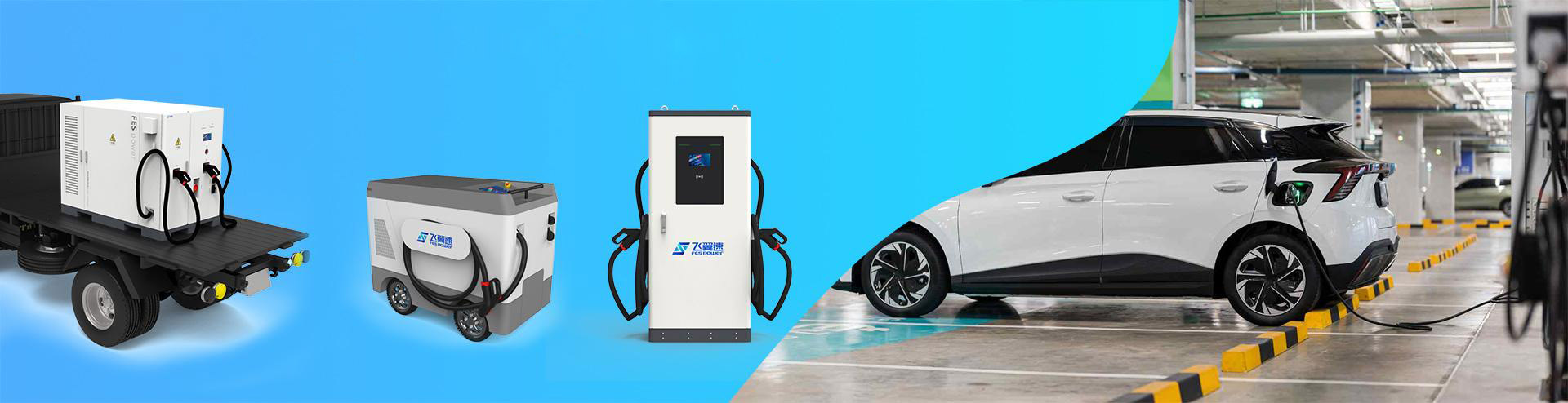
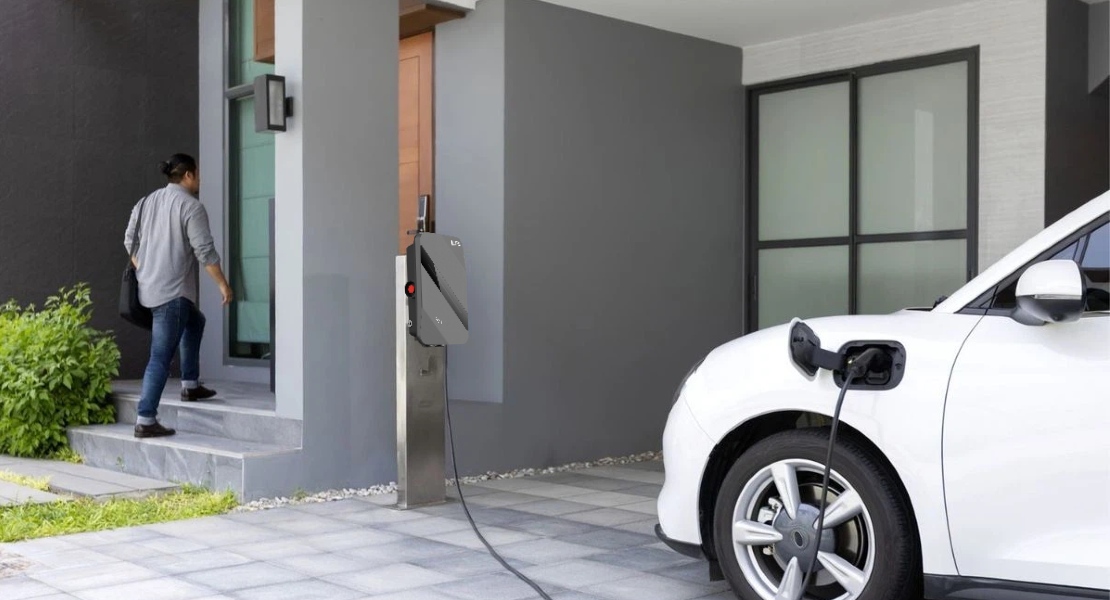
مع تزايد الإقبال على السيارات الكهربائية في الأسواق العالمية، أصبح الشحن المنزلي تجربة أساسية لمعظم السائقين. يعتمد أكثر من 80% من مالكي السيارات الكهربائية على الشحن المنزلي كوسيلة أساسية، مما يجعل أداء أجهزة الشحن المنزلية وذكائها وسلامتها ذات أهمية متزايدة. لم تعد أجهزة اليوم مجرد صناديق تيار متردد بسيطة مثبتة على الحائط، بل تتطور لتصبح مكونات رئيسية في منظومة الطاقة المنزلية الذكية.
🤔 ما هي أنواع شواحن الأجهزة المنزلية الشائعة اليوم؟
تندرج معظم حلول الشحن المنزلي ضمن فئتين رئيسيتين، تخدم كل منهما سيناريوهات استخدام مختلفة:
💫1. شواحن التيار المتردد المحمولة (2.3–7.4 كيلو واط)
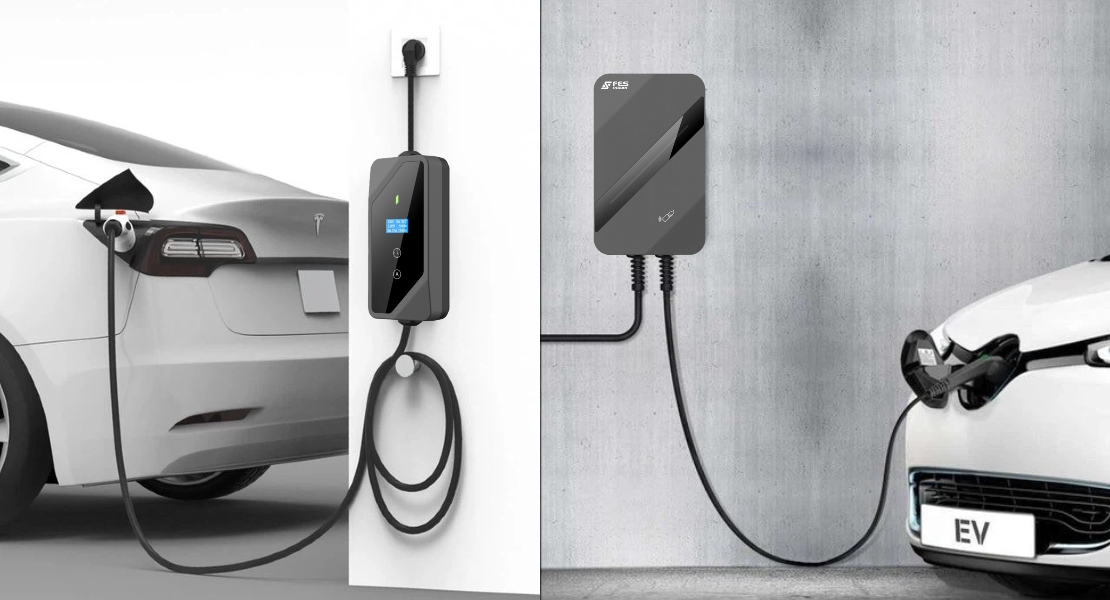
تُعدّ هذه الوحدات خفيفة الوزن مثاليةً للمستخدمين الذين يحتاجون إلى التنقل، كالمستأجرين والمسافرين الدائمين والأسر التي لا تملك مواقف سيارات خاصة. تعمل هذه الشواحن المحمولة عادةً على طاقة أحادية الطور بجهد 220-240 فولت، وتتضمن إعدادات تيار قابلة للتعديل، ومستشعرات حرارة مدمجة، ودوائر حماية أساسية. سهولة استخدامها وبساطة توصيلها بالكهرباء تجعلها خيارًا شائعًا في جميع أنحاء العالم.
💫2. شواحن التيار المتردد المثبتة على الحائط (7 كيلو واط / 11 كيلو واط / 22 كيلو واط)
تمثل هذه التقنية التيار السائد في مجال شحن السيارات الكهربائية المنزلية. توفر أجهزة الشحن الجدارية شحنًا أسرع، وخيارات اتصال أكثر، ووظائف أمان متقدمة مثل الحماية من التيار المتبقي (RCD)، والمراقبة الآنية، وإمكانية الاتصال بتطبيقات الهاتف. في الأسواق التي تعمل بنظام ثلاثي الأطوار، أصبحت طرازات 11 كيلوواط و22 كيلوواط شائعة بشكل متزايد، مما يتيح شحنًا كاملًا طوال الليل حتى للسيارات الكهربائية ذات البطاريات الكبيرة.
⁉️ ما الذي يريده مالكو السيارات الكهربائية حقًا من الشحن المنزلي؟
كشفت دراسات المستهلكين الحديثة عن العديد من التوقعات المتسقة:
🔷تصنيف الموثوقية ووقت التشغيل باعتباره العامل الأهم في عملية الشراء.
🔷المراقبة في الوقت الفعلي والتطبيق أصبحت السيطرة ضرورية وليست اختيارية.
🔷ثقة في السلامة—بما في ذلك إدارة الحرارة والحماية من التسرب— أصبحت الآن من أهم الشواغل بين مالكي السيارات الكهربائية الجدد.
🔷كفاءة الطاقة يؤثر ذلك بشكل متزايد على عملية الشراء، حيث يقارن المستخدمون معدل الاستهلاك في وضع الاستعداد وكفاءة التحويل بين العلامات التجارية.
والأهم من ذلك، ازداد الوعي بقيود البنية التحتية الكهربائية. فالعديد من سائقي السيارات الكهربائية يأخذون في الاعتبار الآن سعة الألواح الشمسية، وتوزيع الأحمال، وحماية قواطع الدائرة قبل اختيار الشاحن، مما يشير إلى تحول نحو مستهلكين أكثر اطلاعاً وتفاعلاً مع الجوانب التقنية.
ما هي التقنيات التي تحدد المرحلة التالية من الشحن المنزلي؟
يتمحور مستقبل شحن الأجهزة المنزلية حول التكامل الذكي والاستخدام الأمثل للطاقة المنزلية. وتشمل أبرز توجهات التحسين ما يلي:
💫1. موازنة الأحمال الديناميكية (DLB)
من خلال مراقبة استهلاك الطاقة المنزلية عبر مستشعرات التيار، يمكن لأجهزة الشحن ضبط تيار الخرج تلقائيًا لمنع التحميل الزائد. وهذا يقلل من تكاليف التركيب بتجنب ترقيات اللوحة ويحسن سلامة النظام بشكل عام.
💫2. جدولة ذكية بناءً على التعريفات
تتيح خاصية تحسين وقت الاستخدام (TOU) للشاحن جدولة الشحن خلال ساعات انخفاض الطلب على الكهرباء. كما يمكن للبرمجيات المتطورة تحليل عادات القيادة، وإعداد السيارة تلقائيًا بناءً على المسافة اليومية المتوقعة.
💫3. تكامل الطاقة الشمسية وتخزين الطاقة
مع تزايد إقبال أصحاب المنازل على تركيب أنظمة الطاقة الشمسية على أسطح منازلهم وبطاريات التخزين، تتطور أجهزة الشحن لدعم مطابقة الطاقة الشمسية، والتحكم في تصدير الطاقة، والتواصل مع أنظمة إدارة الطاقة. وهذا بدوره يزيد من استخدام الطاقة المتجددة ويقلل من تكاليف الطاقة.
💫4. جاهزية الشحن ثنائي الاتجاه (V2H / V2G)
على الرغم من أنها لا تزال في طور التطور، إلا أن إمكانية نقل التيار المتردد ثنائي الاتجاه باتت وشيكة. يجب أن تكون أجهزة الشحن المستقبلية متوافقة مع معيار ISO 15118-20 الخاص بالاتصالات وهياكل تحويل الطاقة التي تدعم تدفق الطاقة العكسي.
💫5. التشخيص عن بُعد وتحديثات البرامج عبر الهواء
تتيح مراقبة درجة الحرارة الأكثر تطوراً، وتحليلات الأخطاء، ودعم البرامج الثابتة عبر الهواء (OTA) لأجهزة الشحن تحسين الأداء طوال دورة حياتها مع تقليل تكاليف الصيانة.
❓كيف تدعم شواحن FES Power المنزلية هذه التوجهات؟
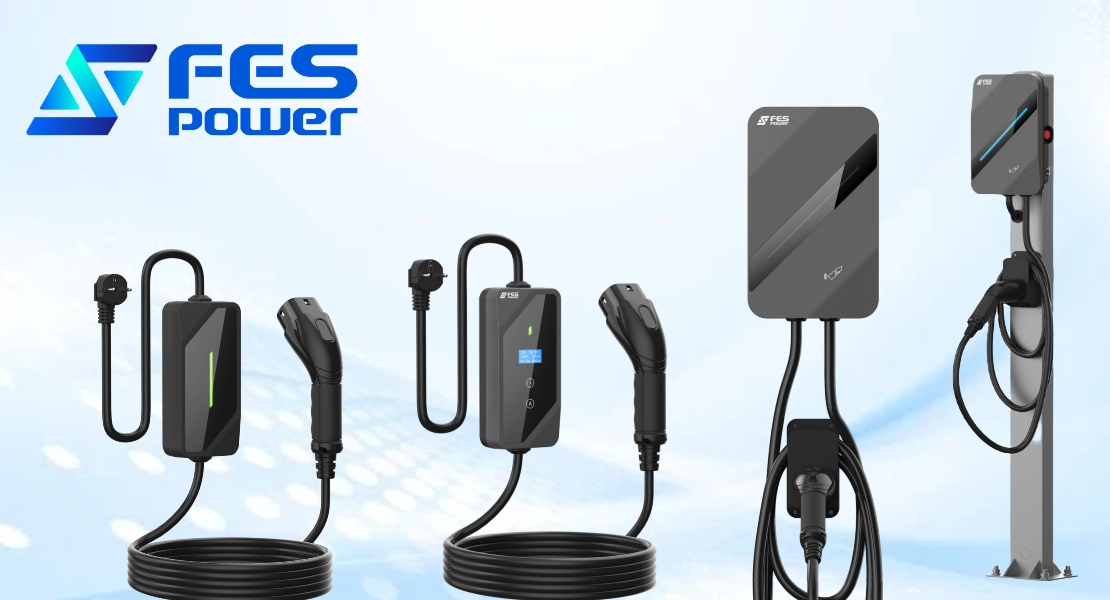
طاقة FESتتميز تشكيلة أجهزة الشحن المنزلي من الشركة بالمرونة والسلامة والاستخدام الذكي للطاقة.
توفر هذه الوحدات المحمولة تيارًا قابلًا للتعديل، وحماية بمعيار IP65، وأمانًا حراريًا وكهربائيًا معززًا، وخيار مراقبة عبر تطبيق. صُممت هذه الوحدات خصيصًا للتنقل، وتوفر شحنًا موثوقًا في المنزل، والشقق، وأثناء السفر.
شاحن جداري EC01
يدعم جهاز EC01 شحن التيار المتردد بقدرة 7 كيلوواط (وخيارات إضافية 11/22 كيلوواط) مع حماية محسّنة من قاطع التيار المتبقي (RCD)، واتصال واي فاي/إيثرنت/بلوتوث، وموازنة ديناميكية للأحمال، وتحديثات البرامج الثابتة عبر الهواء (OTA). صُمم هذا الجهاز للاستخدام السكني طويل الأمد، ويتوافق مع متطلبات المنازل الذكية وأنظمة الطاقة الموزعة المستقبلية.
❔إلى أين تتجه تقنية شحن السيارات الكهربائية المنزلية؟
وبالنظر إلى المستقبل، ستتطور تقنية الشحن المنزلي وفق ثلاثة محاور رئيسية:
إجراءات الشحن المدعومة بالذكاء الاصطناعي - يتم تخصيصها تلقائيًا وفقًا لسلوك القيادة.
تكامل أعمق مع الطاقة الشمسية، وبطاريات المنازل، وخدمات الشبكة الكهربائية.
تصاميم شواحن أكثر قابلية للحمل والتكيف للاستخدام في سيناريوهات متعددة.
مع ازدياد ترابط أنظمة الطاقة المنزلية، شاحن سيارات كهربائية سيتحول من أداة ذات وظيفة واحدة إلى مركز طاقة ذكي - مما يوفر نمط حياة أكثر أمانًا وذكاءً وكفاءة للسيارات الكهربائية.



 شبكة IPv6 مدعومة